Why Bunions Develop

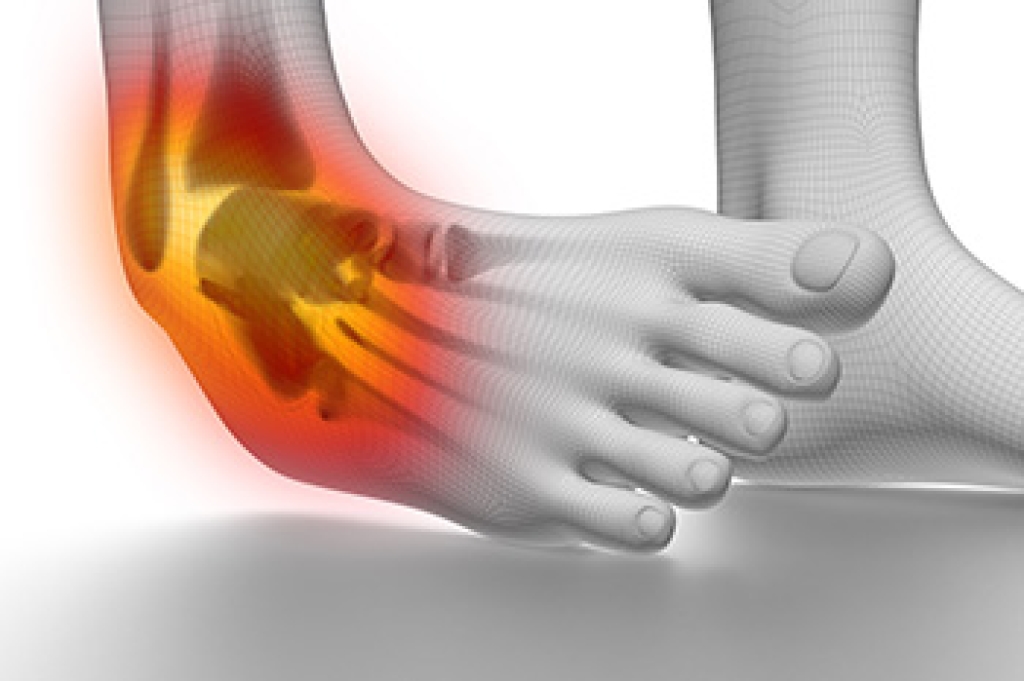
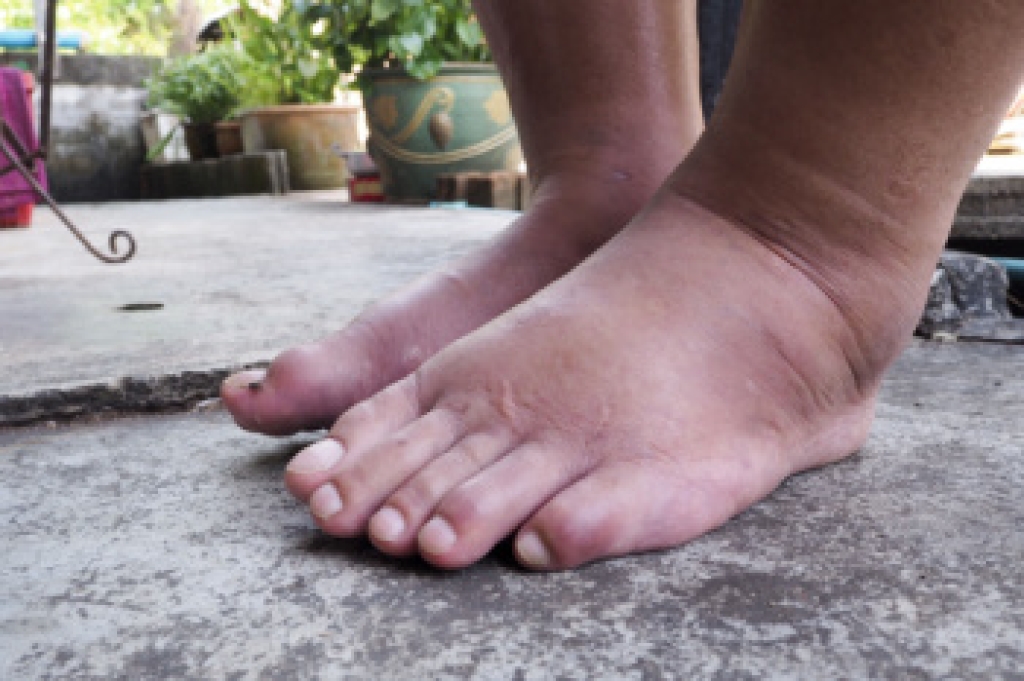
A bunion is a bony bump that forms at the base of the big toe where the joint begins to shift out of place. This change occurs as the top of the toe lean toward the others. This process creates a visible prominence that can become painful. Bunions often develop slowly and may start with mild swelling and redness before leading to stiffness and discomfort with walking. Common causes include inherited foot structure, wearing tight or narrow shoes, and past foot injuries that affect joint alignment. Risk factors include flat feet, arthritis, and long periods of standing. A podiatrist can evaluate the severity, reduce inflammation, and provide treatment that improves alignment and relieves pressure. In some cases, advanced care may be recommended to correct the deformity. If you have a bunion that has become painful, it is suggested that you schedule a visit with a podiatrist for effective relief and management solutions.

If you are suffering from bunion pain, contact Michael Bess, DPM of Florida. Our podiatrist can provide the care you need to keep you pain-free and on your feet.

What Is a Bunion?

Bunions are painful bony bumps that usually develop on the inside of the foot at the joint of the big toe. As the deformity increases over time, it may become painful to walk and wear shoes. Women are more likely to exacerbate existing bunions since they often wear tight, narrow shoes that shift their toes together. Bunion pain can be relieved by wearing wider shoes with enough room for the toes.

Causes

  • Genetics – some people inherit feet that are more prone to bunion development
  • Inflammatory Conditions - rheumatoid arthritis and polio may cause bunion development

Symptoms

  • Redness and inflammation
  • Pain and tenderness
  • Callus or corns on the bump
  • Restricted motion in the big toe

In order to diagnose your bunion, your podiatrist may ask about your medical history, symptoms, and general health. Your doctor might also order an x-ray to take a closer look at your feet. Nonsurgical treatment options include orthotics, padding, icing, changes in footwear, and medication. If nonsurgical treatments don’t alleviate your bunion pain, surgery may be necessary.

If you have any questions, please feel free to contact our office located in West Palm Beach, FL . We offer the newest diagnostic and treatment technologies for all your foot care needs.

Read more about Bunions

Causes and Symptoms of Heel Pain

Heel pain is often caused by plantar fasciitis, which is irritation of the thick band of tissue along the bottom of the foot. Another frequent cause of heel pain is Achilles tendonitis, inflammation of the tendon at the back of the heel. Stress fractures from repeated impact, and arthritis, which involves joint wear and stiffness, may also be factors. Nerve irritation, poor circulation, and long periods of standing sometimes play a role. Symptoms include sharp pain with the first steps in the morning and soreness after activity. Swelling or tenderness when pressure is applied to the heel may also occur. Some people notice a dull ache that worsens over time. A podiatrist can evaluate the foot and review symptoms. Imaging may be used to determine the cause. Treatment plans include orthotics, bracing, and guidance to reduce strain and improve foot function. If you have heel pain, it is suggested that you schedule an appointment with a podiatrist for a diagnosis and appropriate treatment plan.

Many people suffer from bouts of heel pain. For more information, contact Michael Bess, DPM of Florida. Our podiatrist can provide the care you need to keep you pain-free and on your feet.

Causes of Heel Pain

Heel pain is often associated with plantar fasciitis. The plantar fascia is a band of tissues that extends along the bottom of the foot. A rip or tear in this ligament can cause inflammation of the tissue.

Achilles tendonitis is another cause of heel pain. Inflammation of the Achilles tendon will cause pain from fractures and muscle tearing. Lack of flexibility is also another symptom.

Heel spurs are another cause of pain. When the tissues of the plantar fascia undergo a great deal of stress, it can lead to ligament separation from the heel bone, causing heel spurs.

Why Might Heel Pain Occur?

  • Wearing ill-fitting shoes                
  • Wearing non-supportive shoes
  • Weight change           
  • Excessive running

Treatments

Heel pain should be treated as soon as possible for immediate results. Keeping your feet in a stress-free environment will help. If you suffer from Achilles tendonitis or plantar fasciitis, applying ice will reduce the swelling. Stretching before an exercise like running will help the muscles. Using all these tips will help make heel pain a condition of the past.

If you have any questions, please feel free to contact our office located in West Palm Beach, FL . We offer the newest diagnostic and treatment technologies for all your foot care needs.

Read more about Heel Pain

Do Your Child's Feet Hurt?

Have your child's feet been examined lately? Healthy feet are happy feet. If your child is complaining of foot pain, it may be a sign of underlying problems.

Sever’s Disease and Heel Pain in Growing Children

Sever’s disease is a common cause of heel pain in growing children. It is related to irritation of the growth plate in this area. It most often affects active children during growth spurts when bones, muscles, and tendons are developing at different rates. Risk factors include participation in sports, tight calf muscles, and repetitive stress on the heel. Symptoms include heel pain during activity, tenderness, and limping. Discomfort often improves with rest, but can return with movement. A podiatrist can evaluate the condition, and recommend stretching, supportive footwear, and other treatments to reduce strain and promote healing. Early care can improve comfort and prevent ongoing issues. If your active child has heel pain, it is suggested that you consult a podiatrist who can accurately diagnose the problem.

Sever's disease often occurs in children and teens. If your child is experiencing foot or ankle pain, see Michael Bess, DPM from Florida. Our podiatrist can treat your child’s foot and ankle needs.

Sever’s Disease

Sever’s disease is also known as calcaneal apophysitis, which is a medical condition that causes heel pain I none or both feet. The disease is known to affect children between the ages of 8 and 14.

Sever’s disease occurs when part of the child’s heel known as the growth plate (calcaneal epiphysis) is attached to the Achilles tendon. This area can suffer injury when the muscles and tendons of the growing foot do not keep pace with bone growth. Therefore, the constant pain which one experiences at the back of the heel will make the child unable to put any weight on the heel. The child is then forced to walk on their toes.

Symptoms

Acute pain – Pain associated with Sever’s disease is usually felt in the heel when the child engages in physical activity such as walking, jumping and or running.

Highly active – Children who are very active are among the most susceptible in experiencing Sever’s disease, because of the stress and tension placed on their feet.

If you have any questions, please feel free to contact our office located in West Palm Beach, FL . We offer the newest diagnostic and treatment technologies for all your foot care needs.

Read more about Sever's Disease

Various Causes of Toenail Problems

Toenail problems can develop for several reasons, including infection, improper nail growth, or injury to the nail unit. Common issues include fungal infection, ingrown toenails where the nail edge grows into the surrounding skin, and trauma from repeated pressure or direct injury. The toenail helps protect the tip of the toe and supports balance, but damage or infection can change its appearance and function. Nails may become thick, discolored, painful, or misshapen, and the surrounding skin may appear red, swollen, or tender. In some cases, drainage or lifting of the nail can occur. A podiatrist can evaluate the nail through an examination and determine the underlying cause. Treatment may include antifungal medications, proper nail care techniques, minor procedures for ingrown nails, and guidance on footwear to prevent further injury. If you are experiencing a toenail problem, it is suggested that you schedule an appointment with a podiatrist for an accurate diagnose and appropriate treatment.

Ingrown toenails can become painful if they are not treated properly. For more information about ingrown toenails, contact Michael Bess, DPM of Florida. Our podiatrist can provide the care you need to keep you pain-free and on your feet.

Ingrown Toenails

Ingrown toenails occur when a toenail grows sideways into the bed of the nail, causing pain, swelling, and possibly infection.

Causes

  • Bacterial infections
  • Improper nail cutting such as cutting it too short or not straight across
  • Trauma to the toe, such as stubbing, which causes the nail to grow back irregularly
  • Ill-fitting shoes that bunch the toes too close together
  • Genetic predisposition

Prevention

Wearing proper fitting shoes and using proper cutting techniques will also help decrease your risk of developing ingrown toenails.

Treatment

Ingrown toenails are a very treatable foot condition. In minor cases, soaking the affected area in salt or antibacterial soaps will not only help with the ingrown nail itself, but also help prevent any infections from occurring. In more severe cases, surgery is an option. In either case, speaking to your podiatrist about this condition will help you get a better understanding of specific treatment options that are right for you.

If you have any questions, please feel free to contact our office located in West Palm Beach, FL . We offer the newest diagnostic and treatment technologies for all your foot care needs.

Read more about Ingrown Toenails

Connect With Us

scroll to top