Flat Foot Surgery and Restoring Arch Support

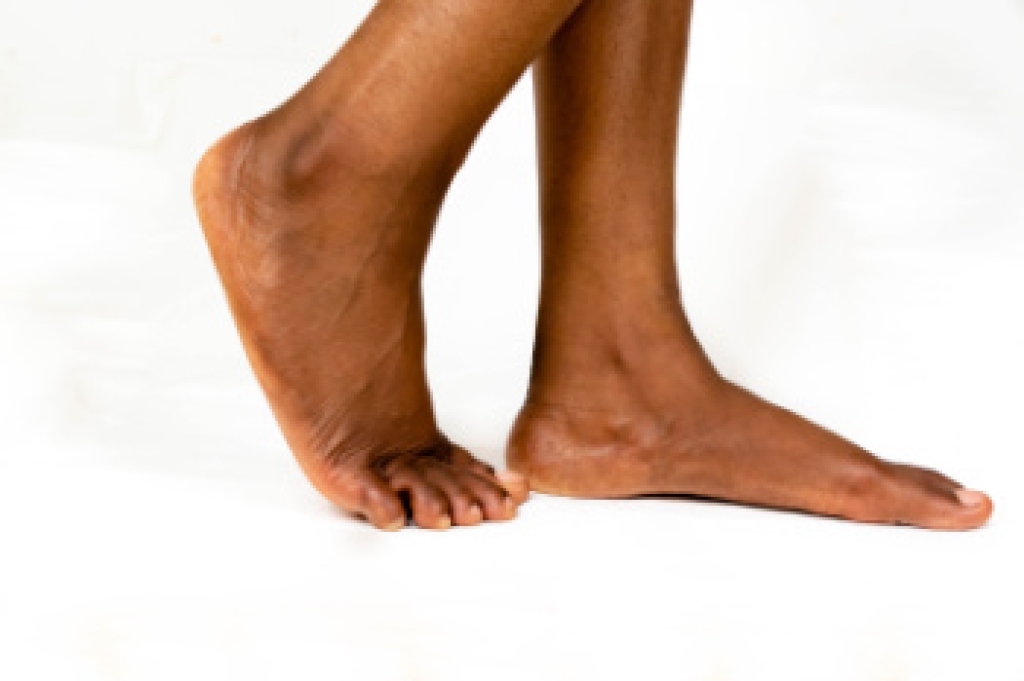
Flat feet, also known as fallen arches, occur when the arch of the foot collapses and the entire sole makes contact with the ground. This condition can appear from childhood or develop due to various factors. Flat foot surgery is a procedure designed to correct this issue by reconstructing the structure of the foot and creating a supportive arch. The goal is to improve alignment, reduce pain, and restore proper function. Understanding the condition and surgical options can help individuals make informed decisions about their care.

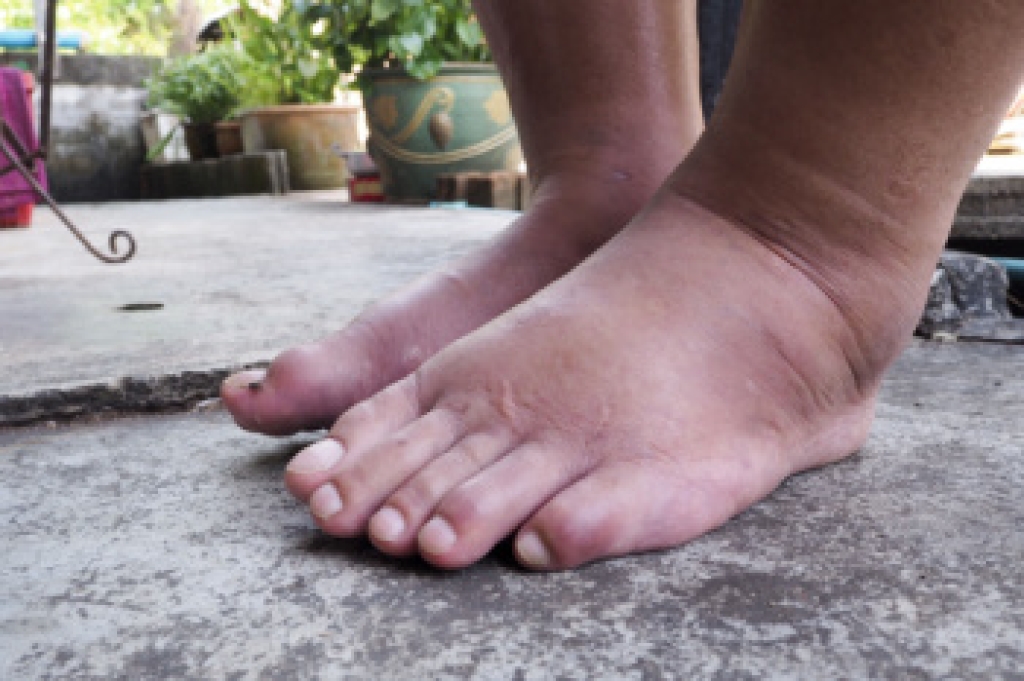
Symptoms of flat feet may include foot pain, swelling along the inside of the ankle, and difficulty standing or walking for extended periods of time. Some individuals experience fatigue in the feet or legs due to improper weight distribution. Causes of flat feet can include genetics, trauma, or medical conditions like diabetes that affect nerve function and tissue health. The lack of arch support can place strain on muscles and ligaments, leading to discomfort and reduced mobility. These symptoms may worsen without proper treatment.


Flat foot surgery is typically recommended when conservative treatments do not provide relief. The procedure involves reconstructing the foot to create a stable and supportive arch. This may include repairing tendons, repositioning bones, or using implants to support the structure. The exact approach depends on the severity of the condition and the underlying cause. Risk factors for this type of foot surgery include poor overall health, smoking, and conditions that affect healing, such as diabetes.


Recovery from flat foot surgery requires time, rest, and guided rehabilitation to restore strength and flexibility. Supportive footwear and follow-up care are essential for long-term success. Addressing flat feet can improve comfort, mobility, and overall quality of life. If you have flat feet and are considering surgery, it is suggested that you consult a podiatrist who can determine if this type of foot surgery is right for you.

Foot surgery is sometimes necessary to treat a foot ailment. To learn more, contact Michael Bess, DPM of Florida. Our podiatrist will assist you with all of your foot and ankle needs.

When Is Surgery Necessary?

Foot and ankle surgery is generally reserved for cases in which less invasive, conservative procedures have failed to alleviate the problem. Some of the cases in which surgery may be necessary include:

  • Removing foot deformities like bunions and bone spurs
  • Severe arthritis that has caused bone issues
  • Cosmetic reconstruction

What Types of Surgery Are There?

The type of surgery you receive will depend on the nature of the problem you have. Some of the possible surgeries include:

  • Bunionectomy for painful bunions
  • Surgical fusion for realignment of bones
  • Neuropathy decompression surgery to treat nerve damage

Benefits of Surgery

Although surgery is usually a last resort, it can provide more complete pain relief compared to non-surgical methods and may allow you to finally resume full activity.

Surgical techniques have also become increasingly sophisticated. Techniques like endoscopic surgery allow for smaller incisions and faster recovery times.

If you have any questions, please feel free to contact our office located in West Palm Beach, FL . We offer the newest diagnostic and treatment technologies for all your foot care needs.

Read more about Foot Surgery

Common Childhood Foot Problems That Affect Walking

Foot and leg problems in children are often related to growth and development, but some conditions may require attention to prevent long-term issues. Common concerns include in-toeing, out-toeing, and flat foot. These conditions affect how a child walks and stands, and they can influence balance and coordination. In-toeing occurs when the feet turn inward when walking. It is often caused by metatarsus adductus, a condition in which the front part of the foot curves inward. Out-toeing involves the feet turning outward and is frequently linked to external tibial torsion, where the shin bone rotates outward.

Symptoms of in-toeing may include a noticeable inward foot position, frequent tripping, and uneven shoe wear. Children with metatarsus adductus may have a curved forefoot that is visible even when at rest. Out-toeing symptoms include an outward foot position, difficulty running efficiently, and a wider walking stance. External tibial torsion may become more noticeable as a child grows and becomes more active. Flat foot is another common condition in children, characterized by a low or absent arch when standing. Symptoms of flat foot can include foot fatigue, discomfort after activity, and inward rolling of the ankles.


Several risk factors contribute to these pediatric foot conditions. Genetics play a significant role, as children may inherit structural traits that affect foot alignment. External tibial torsion may develop as bones grow and rotate. Flat foot is often seen in younger children due to undeveloped arches, but it may persist in some cases. Obesity, improper footwear, and lack of supportive shoes can increase stress on developing feet and worsen symptoms.


Early recognition and proper care are essential for supporting healthy foot development in children. Supportive footwear and, in some cases, custom orthotics may help improve alignment and comfort. If your child has foot pain, it is suggested that you consult a podiatrist for an accurate diagnosis and appropriate treatment.

The health of a child’s feet is vital to their overall well-being. If you have any questions regarding foot health, contact Michael Bess, DPM of Florida. Our podiatrist can provide the care you need to keep you pain-free and on your feet.

Tips for Keeping Children's Feet Healthy

  • Make sure their shoes fit properly
  • Look for any signs of in-toeing or out-toeing
  • Check to see if they have Clubfoot (condition that affects your child’s foot and ankle, twisting the heel and toes inward) which is one of the most common nonmajor birth defects.
  • Lightly cover your baby’s feet (Tight covers may keep your baby from moving their feet freely, and could prevent normal development)
  • Allow your toddler to go shoeless (Shoes can be restricting for a young child’s foot)
  • Cut toenails straight across to avoid ingrown toenails
  • Keep your child’s foot clean and dry
  • Cover cuts and scrapes. Wash any scratches with soap and water and cover them with a bandage until they’ve healed.

If you have any questions, please feel free to contact our office located in West Palm Beach, FL . We offer the newest diagnostic and treatment technologies for all your foot care needs.

Read more about How to Care for Your Child's Feet

Wounds That Don't Heal Need to Be Checked

Your feet are covered most of the day. If you're diabetic, periodic screening is important for good health. Numbness is often a sign of diabetic foot and can mask a sore or wound.

Understanding Recurrent Gout and Environmental Triggers

Gout is a chronic condition characterized by repeated episodes of joint inflammation due to excess uric acid in the body. When uric acid crystals accumulate in the joints, they can cause sudden and painful flare-ups. Recurrent gout attacks occur when underlying causes are not fully addressed, leading to ongoing crystal formation. This condition commonly affects the big toe but can involve the ankle and other joints as well. The pain can be debilitating and may cause a delay in completing daily activities. Learning about the causes and triggers of recurrence can help individuals better manage their symptoms.

The symptoms of gout include sharp pain, swelling, redness, and limited movement in the affected joint, usually the big toe. These episodes can begin quickly and may last for several days. After repeated attacks, the joint may remain sensitive and prone to future flare-ups. Risk factors include high-purine diets, excess body weight, and inadequate hydration. Certain medications and medical conditions can also contribute to elevated uric acid levels, increasing the likelihood of recurrence.


Temperature and humidity also play a role in the development of gout symptoms. Lower temperatures can encourage uric acid crystals to form more easily in the joints, particularly in the feet. High humidity may lead to fluid loss and reduced kidney function, which can affect the body’s ability to remove uric acid. Additional causes of recurrent gout include poor dietary habits, excessive alcohol intake, and lack of consistent medical care. Recognizing these influences can help individuals take preventive steps.


Managing gout effectively requires a combination of lifestyle adjustments and medical guidance. Maintaining hydration, following a balanced diet, and avoiding known triggers can help reduce flare-ups. Early attention to symptoms can prevent complications and improve quality of life. If you are dealing with recurrent gout attacks, it is suggested that you consult a podiatrist for effective relief, treatment and management solutions. 

Gout is a painful condition that can be treated. If you are seeking treatment, contact Michael Bess, DPM from Florida. Our podiatrist will treat your foot and ankle needs.

What Is Gout?

Gout is a form of arthritis that is characterized by sudden, severe attacks of pain, redness, and tenderness in the joints. The condition usually affects the joint at the base of the big toe. A gout attack can occur at any random time, such as the middle of the night while you are asleep.

Symptoms

  • Intense Joint Pain - Usually around the large joint of your big toe, and it most severe within the first four to twelve hours
  • Lingering Discomfort - Joint discomfort may last from a few days to a few weeks
  • Inflammation and Redness -Affected joints may become swollen, tender, warm and red
  • Limited Range of Motion - May experience a decrease in joint mobility

Risk Factors

  • Genetics - If family members have gout, you’re more likely to have it
  • Medications - Diuretic medications can raise uric acid levels
  • Gender/Age - Gout is more common in men until the age of 60. It is believed that estrogen protects women until that point
  • Diet - Eating red meat and shellfish increases your risk
  • Alcohol - Having more than two alcoholic drinks per day increases your risk
  • Obesity - Obese people are at a higher risk for gout

Prior to visiting your podiatrist to receive treatment for gout, there are a few things you should do beforehand. If you have gout you should write down your symptoms--including when they started and how often you experience them, important medical information you may have, and any questions you may have. Writing down these three things will help your podiatrist in assessing your specific situation so that he or she may provide the best route of treatment for you.

If you have any questions, please feel free to contact our office located in West Palm Beach, FL . We offer the newest diagnostic and treatment technologies for all your foot care needs.

Read more about Everything You Need to Know About Gout

Why the Big Toe Joint Takes Time to Heal

Big toe pain can interfere with walking, balance, and daily activities. The big toe joint, also known as the first metatarsophalangeal joint, plays a major role in movement because body weight is transferred through this area with each step. This constant pressure makes the joint more vulnerable to strain and injury. Once damaged, the big toe can take a long time to heal due to its frequent use and limited ability to rest during normal activity.

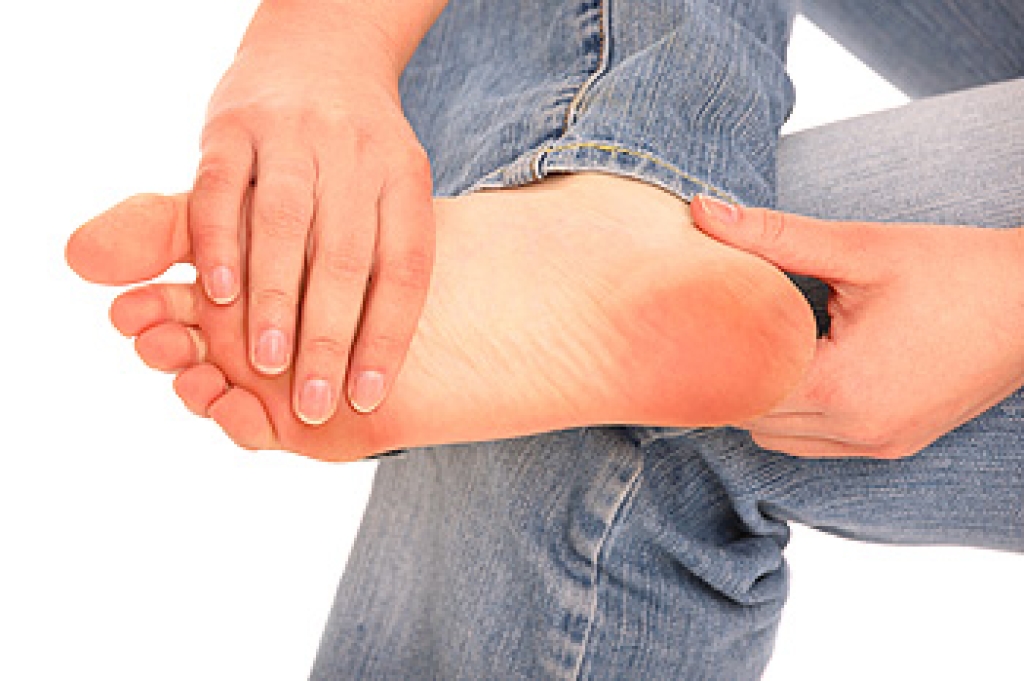
Symptoms of big toe pain may include stiffness, swelling, and tenderness surrounding the joint. Some individuals experience sharp pain during movement, while others notice a dull ache that worsens with walking or standing. Reduced range of motion can make it difficult to bend the toe, and in some cases, visible deformities may develop. Pain may be mild at first, but can progress if the underlying cause is not addressed. Early attention to symptoms can help prevent long term complications.


There are several common causes of big toe pain. Arthritis can lead to joint inflammation and cartilage breakdown, resulting in stiffness and discomfort. Bunions, which are bony bumps that form at the base of the big toe, can shift the joint out of alignment and create pressure. Ingrown toenails can also cause localized pain, especially when the nail grows into the surrounding skin. Injuries, repetitive stress, and wearing improper footwear may further contribute to irritation in this area.


Risk factors for big toe pain include aging, excess body weight, and activities that place repeated stress on the foot. Wearing tight or ill-fitting shoes can increase pressure on the joint and worsen symptoms. Certain foot structures, such as flat feet or high arches, may also affect how weight is distributed. Managing these factors can support joint health and reduce discomfort. If you have big toe pain, it is suggested that you consult a podiatrist for an accurate diagnosis and appropriate treatment.

Toe pain can disrupt your daily activities. If you have any concerns, contact Michael Bess, DPM of Florida. Our podiatrist can provide the care you need to keep you pain-free and on your feet.

What Causes Toe Pain?

Most severe toe pain is caused due to a sports injury, trauma from dropping something heavy on the toe, or bumping into something rigid. Other problems can develop over time for various reasons.

Toe pain can be caused by one or more ailments. The most common include:

  • Trauma
  • Sports injury
  • Wearing shoes that are too tight
  • Arthritis
  • Gout
  • Corns and calluses
  • Hammertoe
  • Bunions
  • Blisters
  • Ingrown toenails
  • Sprains
  • Fractures (broken bones)
  • Dislocations

When to See a Podiatrist

  • Severe pain
  • Persistent pain that lasts more than a week
  • Signs of infection
  • Continued swelling
  • Pain that prevents walking

Diagnosis

In many cases the cause of toe pain is obvious, but in others, a podiatrist may want to use more advanced methods to determine the problem. These can range from simple visual inspections and sensation tests to X-rays and MRI scans. Prior medical history, family medical history, and any recent physical traumatic events will all be taken into consideration for a proper diagnosis.

Treatment

Treatments for toe pain and injuries vary and may include shoe inserts, padding, taping, medicines, injections, and in some cases, surgery. If you believe that you have broken a toe, please see a podiatrist as soon as possible.

If you have any questions please contact our office located in West Palm Beach, FL . We offer the newest diagnostic and treatment technologies for all your foot and ankle needs.
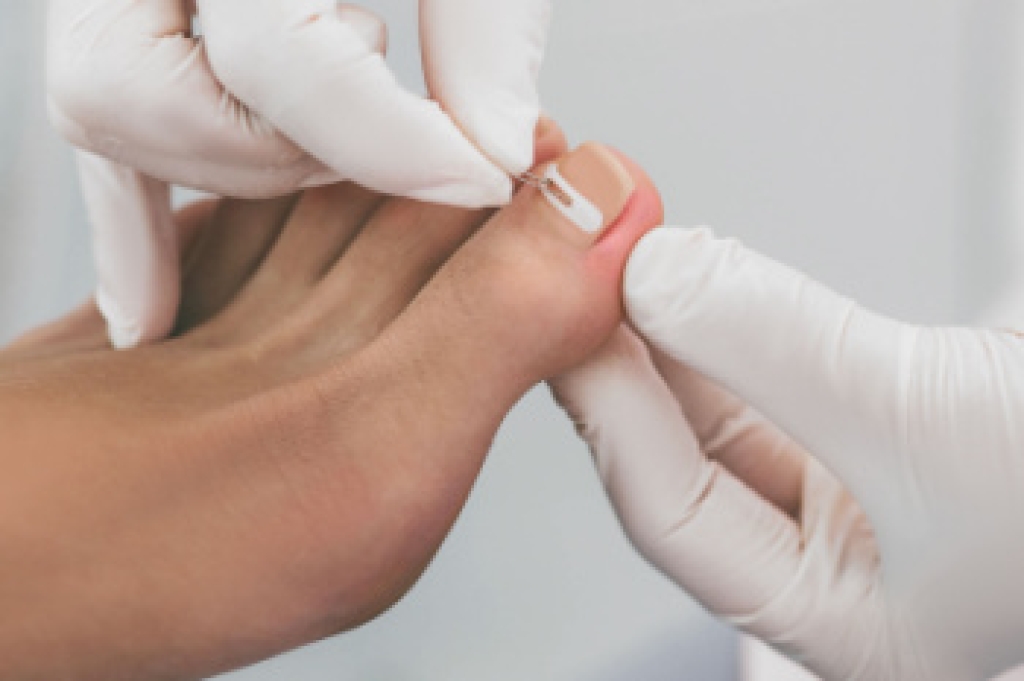
Read more about Toe Pain

Connect With Us

Mobile Podiatric Procedures & Services in the Palm Beach County and West Palm Beach, FL areas